
If your display spend is rising but performance is flat, the problem is rarely media inventory alone. More often, it is strategy, data quality, audience logic, creative fit, or weak optimisation discipline. That is exactly why choosing the right programmatic advertising agency that Australian businesses can rely on matters – because programmatic is not just ad buying software. It is a revenue channel when it is planned properly, measured tightly and aligned to business goals.
Too many businesses treat programmatic as a black box. Budget goes in, impressions come out, and the reporting looks busy. But busy is not the same as effective. A strong agency turns programmatic into an accountable growth engine, with clear targeting, channel selection, conversion pathways and commercial reporting that ties back to outcomes.
What a programmatic advertising agency in Australia should actually do
At a surface level, a programmatic agency buys digital media through automated platforms. That definition is technically correct and commercially useless. The real job is to build an efficient media system that reaches the right people, in the right environments, at the right stage of the funnel, and then improves performance over time.
That means audience planning, DSP management, placement strategy, creative testing, frequency control, brand safety, attribution analysis and budget allocation. It also means understanding what role programmatic should play alongside paid search, paid social, SEO, email, CRO and sales activity. If an agency cannot explain where programmatic fits in your wider growth model, they are managing media in isolation.
Australian businesses need this joined-up thinking because local market conditions matter. CPMs differ by category. Regional targeting can shift campaign economics. Privacy settings, first-party data access and platform integrations all affect results. A generic playbook built for overseas markets will not give you the same control or efficiency here.
Why Australian brands are moving more budget into programmatic
The appeal is obvious. Programmatic gives marketers speed, scale and targeting precision that traditional display buying cannot match. It can support prospecting, retargeting, video, connected TV, digital audio, native and dynamic creative across a broad range of inventory.
But the bigger reason brands are shifting budget is control. Programmatic lets you test audience segments, suppress existing customers, adjust bids by performance signals and respond to market changes quickly. That flexibility matters when margins are under pressure and marketing teams need every dollar working harder.
It is not perfect, though. Programmatic can waste money quickly when campaign structure is weak. Broad targeting, poor conversion tracking, low-quality creative and lazy optimisation can burn through budget without lifting revenue. The channel rewards discipline. It punishes set-and-forget thinking.
How to assess a programmatic advertising agency Australia-wide
The best agencies do not lead with jargon. They lead with commercial logic. Before talking platforms, they should ask about your margins, sales cycle, average order value, lead quality, customer lifetime value and current acquisition mix. That is the baseline for deciding whether programmatic is suitable, and where it can outperform other channels.
A credible agency should be able to explain how they approach full-funnel planning. Upper-funnel activity can be valuable, but only if it connects to downstream performance. If awareness is the goal, they should still define what success looks like – qualified traffic, engaged visits, assisted conversions, branded search lift or lower acquisition costs later in the journey.
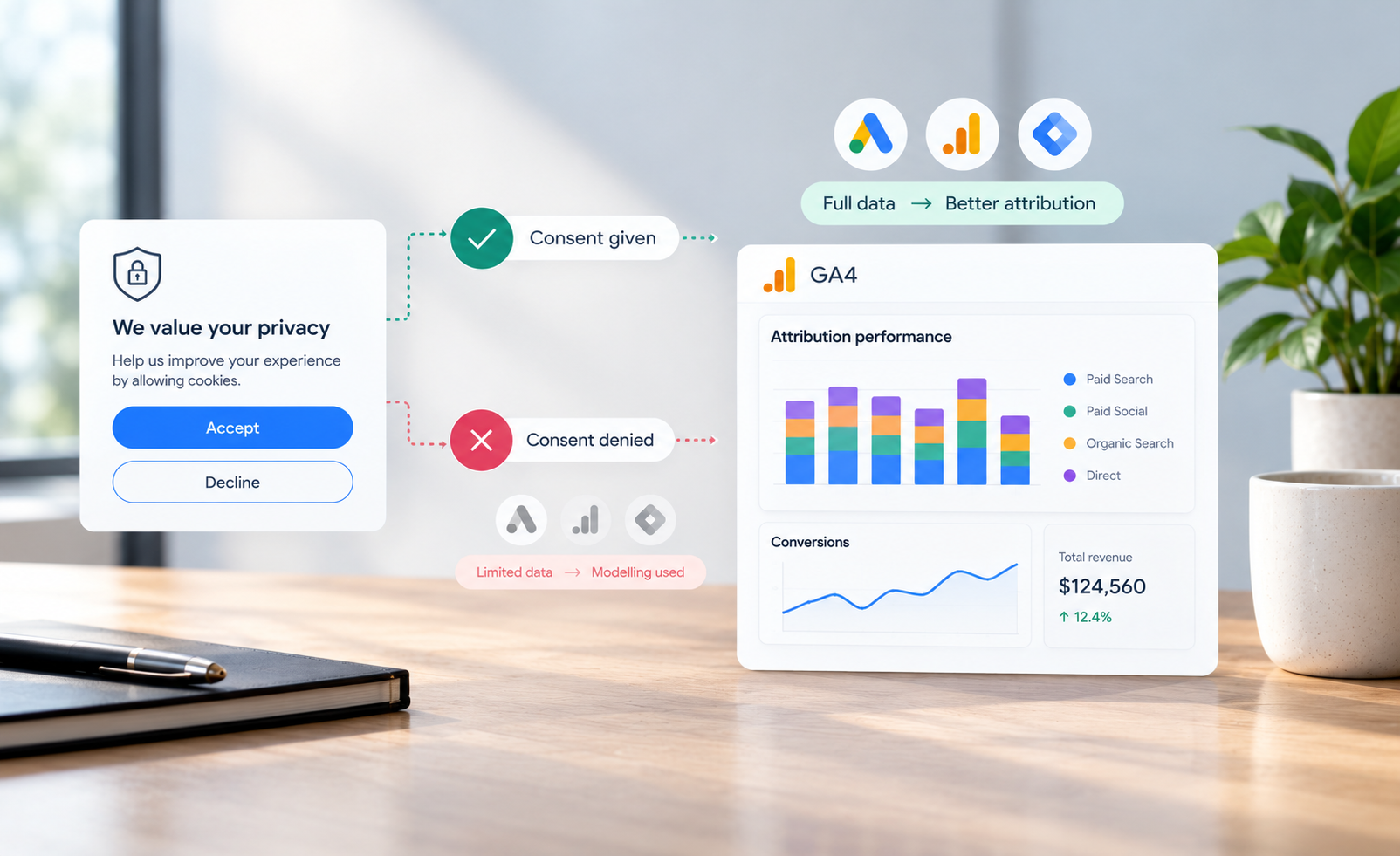
Transparency is another major test. You need to know what is being bought, how fees work, what platforms are in use and how performance is measured. If reporting stops at impressions, clicks and viewability, that is not enough. Those metrics have a place, but decision-makers need to see business impact. Revenue, cost per acquisition, lead quality, conversion rate and return on ad spend should sit much closer to the centre.
The questions worth asking before you sign
Ask how the agency handles audience strategy. Some will rely too heavily on third-party segments that look impressive in a proposal and underperform in practice. Stronger agencies combine platform data, first-party insights and actual conversion behaviour to build sharper audience models.
Ask how they manage creative. Programmatic is often treated as a media problem when it is really a message problem. Different placements, devices and audience stages need different creative approaches. The agency should have a clear process for testing offers, formats, copy and visual variants rather than pushing one generic banner set across every environment.
Ask how often campaigns are optimised and what changes are made. Real optimisation is not just pausing a weak placement once a month. It is continuous work across bids, inventory, audience layers, frequency, creative combinations and landing page alignment.
And ask what happens after the click. Many campaigns fail because the landing experience is weak. If the site is slow, confusing, poorly structured or mismatched to the ad message, media efficiency drops fast. Programmatic performance is never just about buying cheaper impressions.
What separates strong agencies from average ones
Average agencies can launch campaigns. Strong agencies can build systems. That difference matters.
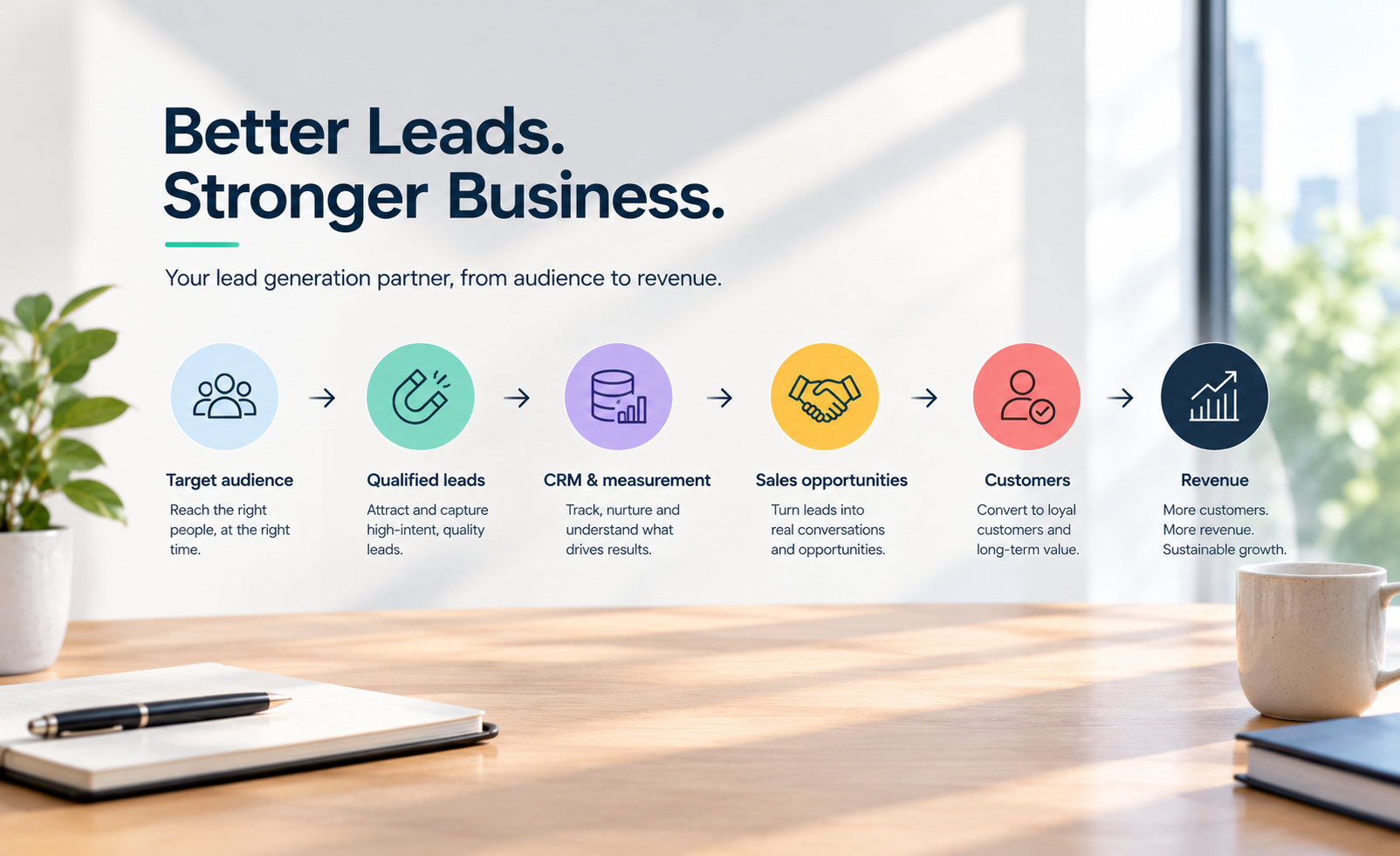
A high-performing programmatic partner works strategy-first. They start with business objectives, define measurement frameworks, choose the right inventory mix and build campaigns around commercial outcomes. They are not chasing cheap traffic. They are chasing profitable growth.
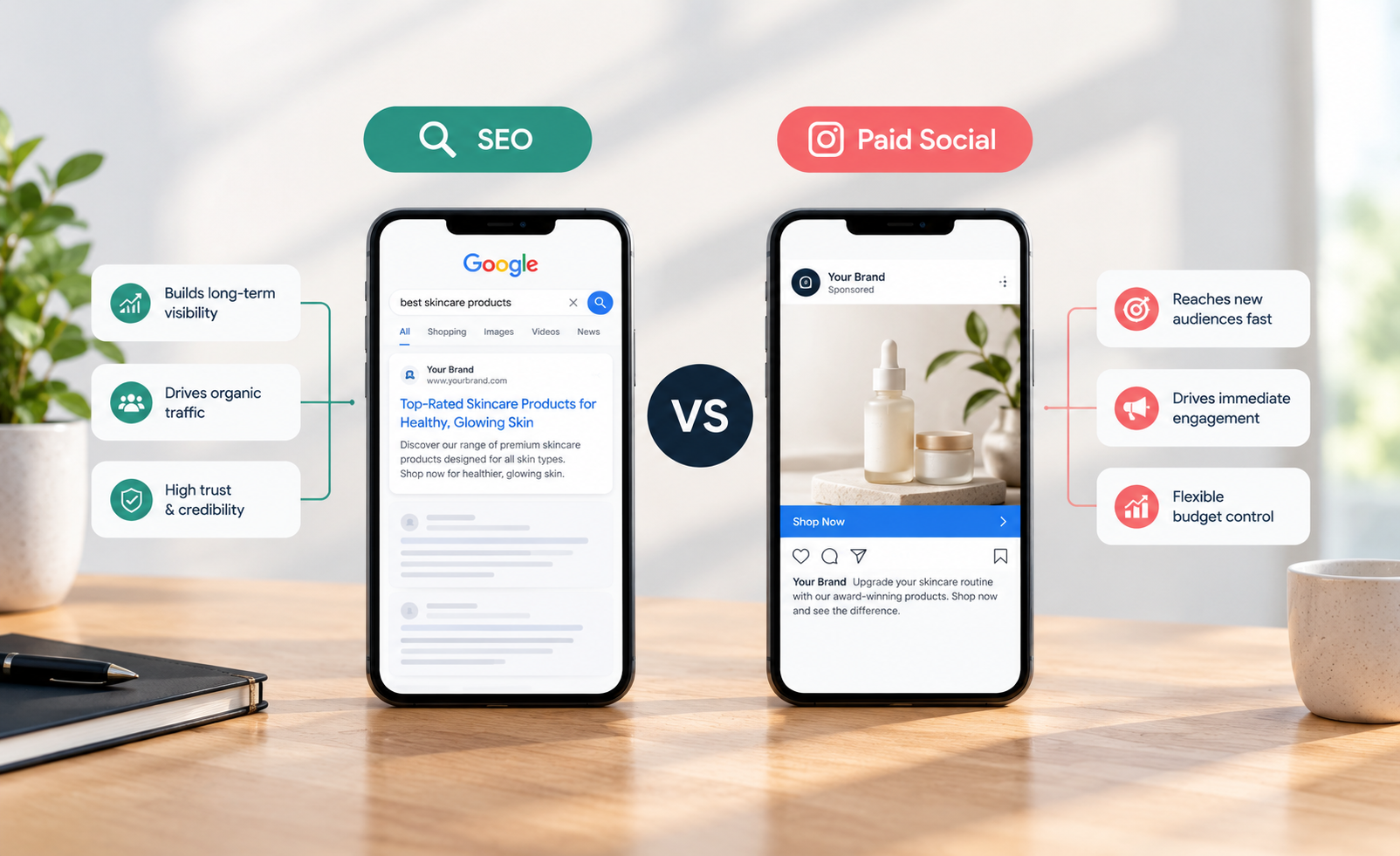
They also understand channel interaction. Programmatic often works best when paired with search, social and CRO. Display can create demand that search captures later. Retargeting can recover lost buyers. Video can improve branded recall. But these effects only become visible when the agency reads performance across channels instead of defending one line item in isolation.
This is where many brands get frustrated. They hire separate specialists, each reporting success inside their own silo, while total business performance stays uneven. A smarter model connects the dots between media, website experience, data and conversion outcomes.
Common mistakes when hiring a programmatic agency
One mistake is choosing purely on price. Lower fees can hide weak execution, poor inventory quality or minimal strategic input. Cheap media management is expensive when budget is wasted.
Another is overvaluing platform access. Access to a DSP is not a differentiator on its own. The edge comes from planning, segmentation, creative thinking and optimisation quality. Software matters, but operator quality matters more.
Brands also get caught by vanity reporting. A campaign can generate strong reach and high viewability while doing very little for pipeline or sales. If your agency is celebrating numbers that never flow through to revenue, they are optimising for optics.
Then there is the issue of misalignment. Not every business needs programmatic immediately. If your tracking is broken, your website converts poorly, or your offer is not competitive, adding more media complexity will not solve the root problem. The right agency should be willing to say that.
When programmatic is the right move
Programmatic tends to work well for businesses with enough budget to test properly, a clear offer, reliable tracking and a website or landing page built to convert. It is especially useful for brands that need scale beyond search demand, want stronger retargeting capability, or need access to formats like video, native, audio or connected TV.
It can also be effective for service businesses, eCommerce brands, enterprise campaigns and non-profits, but success benchmarks differ. An eCommerce brand may care most about ROAS and product-level performance. A service business may focus on qualified leads and cost per enquiry. A non-profit may prioritise donation efficiency or awareness in a specific region. The strategy should reflect that reality rather than force every campaign into the same template.
For Australian brands with growth ambitions, the value of a programmatic advertising agency Australia-wide is not just campaign delivery. It is strategic control. The right partner gives you clearer audience intelligence, tighter budget allocation, faster learning cycles and reporting that helps leadership make better decisions.
That is the standard serious marketers should expect. Not more dashboards. Not more impressions. Better commercial outcomes.
Agencies like Loud Days are built for that kind of work – strategy-first, data-led and focused on measurable growth. Because when programmatic is managed properly, it stops being a line item and starts acting like a real performance channel.
If you are reviewing agency options, look past the sales pitch and ask a simpler question: can this partner turn media complexity into profitable action? That is the question that protects budget and moves revenue.