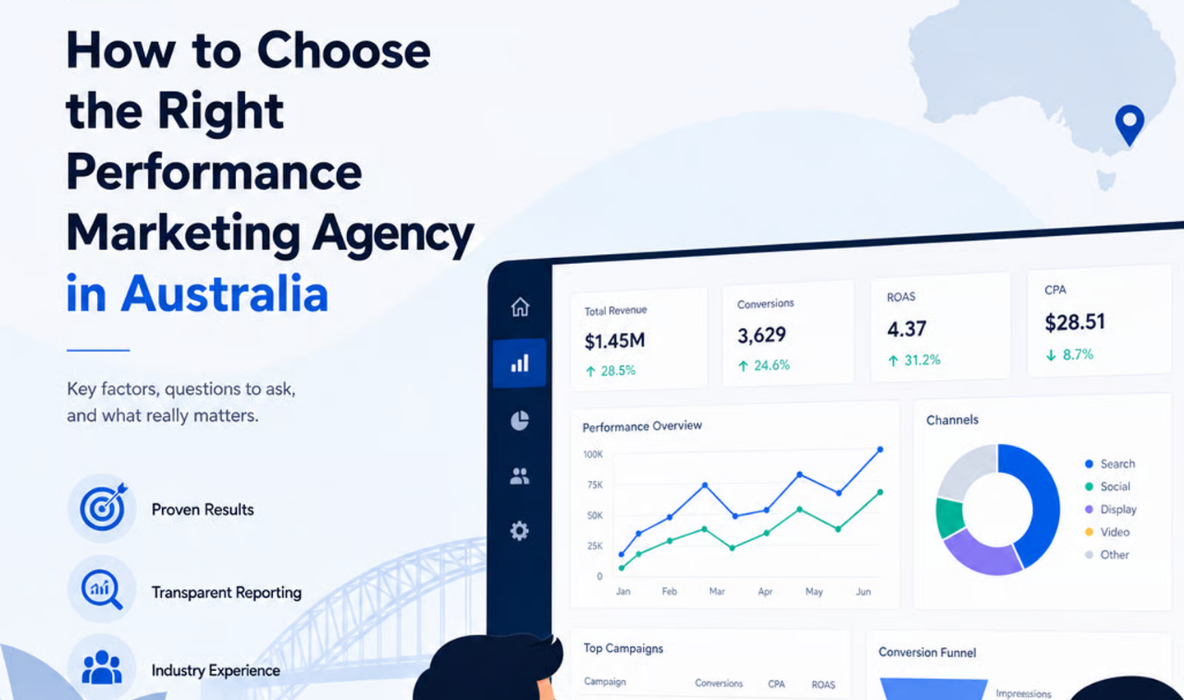

Most agencies look fine in a pitch deck. The problem shows up three months later, when spend is up, reports are busy, and revenue has barely moved. That is where the difference becomes obvious between a generalist supplier and a performance marketing agency Australia-based businesses can rely on to produce measurable growth.
For brands under pressure to hit targets, performance marketing is not just paid media with nicer dashboards. It is a commercial system. Media buying, creative, landing pages, tracking, conversion rate optimisation and channel strategy all need to work together. If one part slips, efficiency drops fast.
What a Performance Marketing Agency in Australia Should Actually Do
A true performance agency is built around outcomes, not activity. That sounds obvious, but many businesses still end up buying channel management rather than growth management. They get campaigns launched, but not a clear strategy for turning spend into margin, customers or pipeline.
A performance marketing agency in Australia should start with the commercial model first. What is the customer worth? How long is the sales cycle? Which channels influence first touch versus final conversion? What does profitable acquisition look like by product line, region or audience segment? Without those answers, optimisation becomes guesswork.
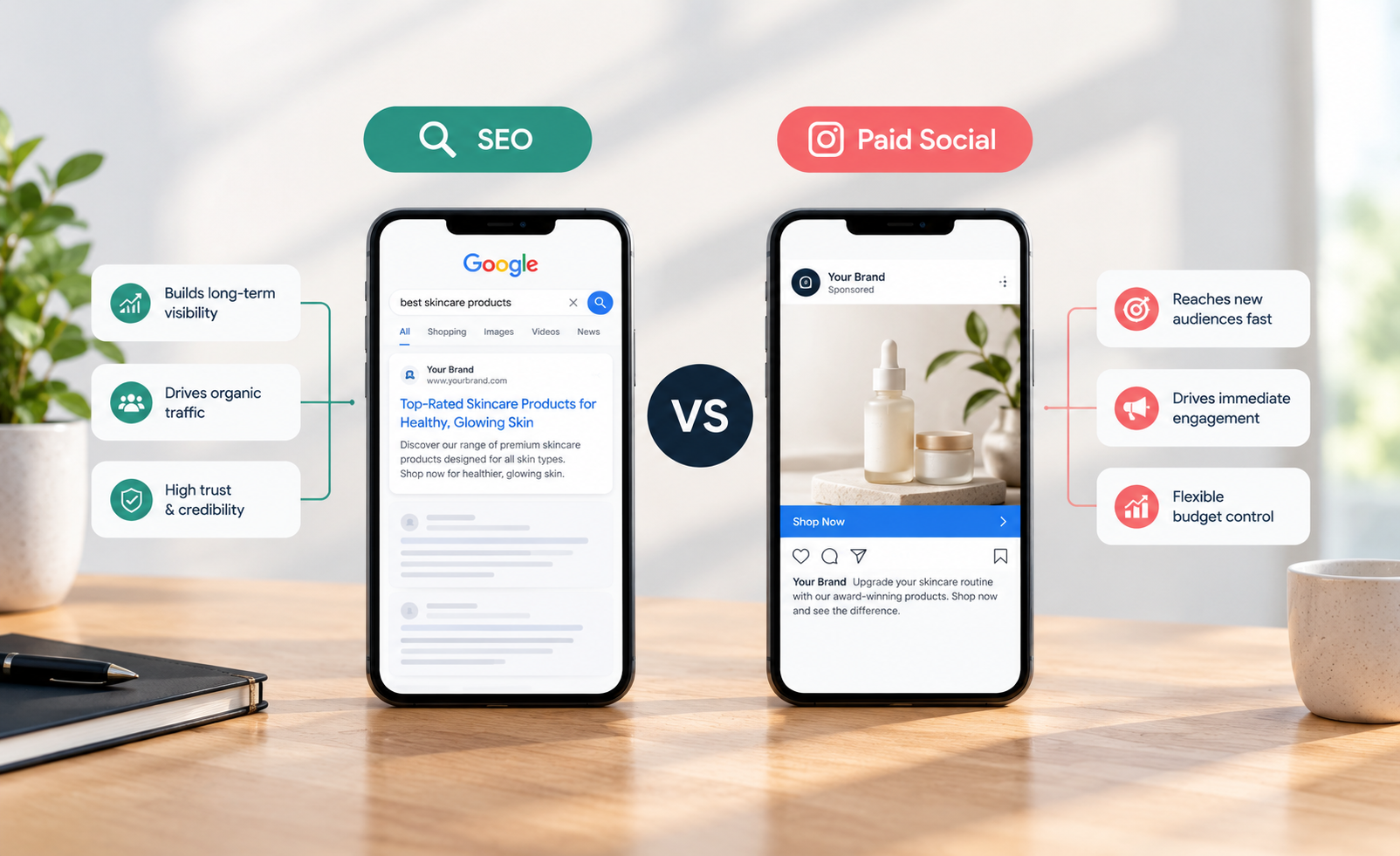
That is why mature performance work rarely sits in one platform alone. Google Ads might capture intent, paid social might create demand, SEO might lower blended acquisition costs over time, and CRO might improve every channel at once. The agency’s job is to connect those pieces into a structured growth engine.
Why Australian Businesses Need Local Market Context
Performance strategy is never fully portable. What works in the US or UK often underperforms here because Australia has different market density, consumer behaviour, shipping realities, media costs and competition patterns.
A local agency should understand that search volume can be tighter, geography affects fulfilment and lead routing, and state-based demand can change campaign economics. It should also understand the practical detail – seasonality around EOFY, retail peaks, education cycles, property market shifts, and the difference between metro and regional targeting.
This matters because media efficiency is shaped by context. A campaign can look strong on click-through rate and still fail commercially if it targets the wrong regions, pushes the wrong offer, or ignores local buying patterns. Good performance marketing is precise. Great performance marketing is precise in the market you actually sell into.
The metrics that matter more than vanity numbers
If an agency leads with impressions, reach and engagement before talking about revenue, caution is warranted. Those metrics have a place, but only when they support a commercial objective.
For most businesses, the real conversation should revolve around cost per acquisition, return on ad spend, lead quality, conversion rate, customer lifetime value and contribution to revenue. For service brands, pipeline quality and sales acceptance matter as much as enquiry volume. For eCommerce, blended ROAS, margin and repeat purchase rate often tell a clearer story than platform-attributed sales alone.
There is also a trade-off here. Aggressive lead volume targets can lower lead quality. Chasing the cheapest possible acquisition can narrow scale. A smart agency will not promise that every metric improves at once. It will explain what is being optimised, why, and what that means for growth.
Strategy-first beats channel-first
One of the biggest red flags in agency selection is when the offer begins and ends with a single tactic. If the pitch is basically, we run Google Ads or we manage Meta, that is execution without enough strategic depth.
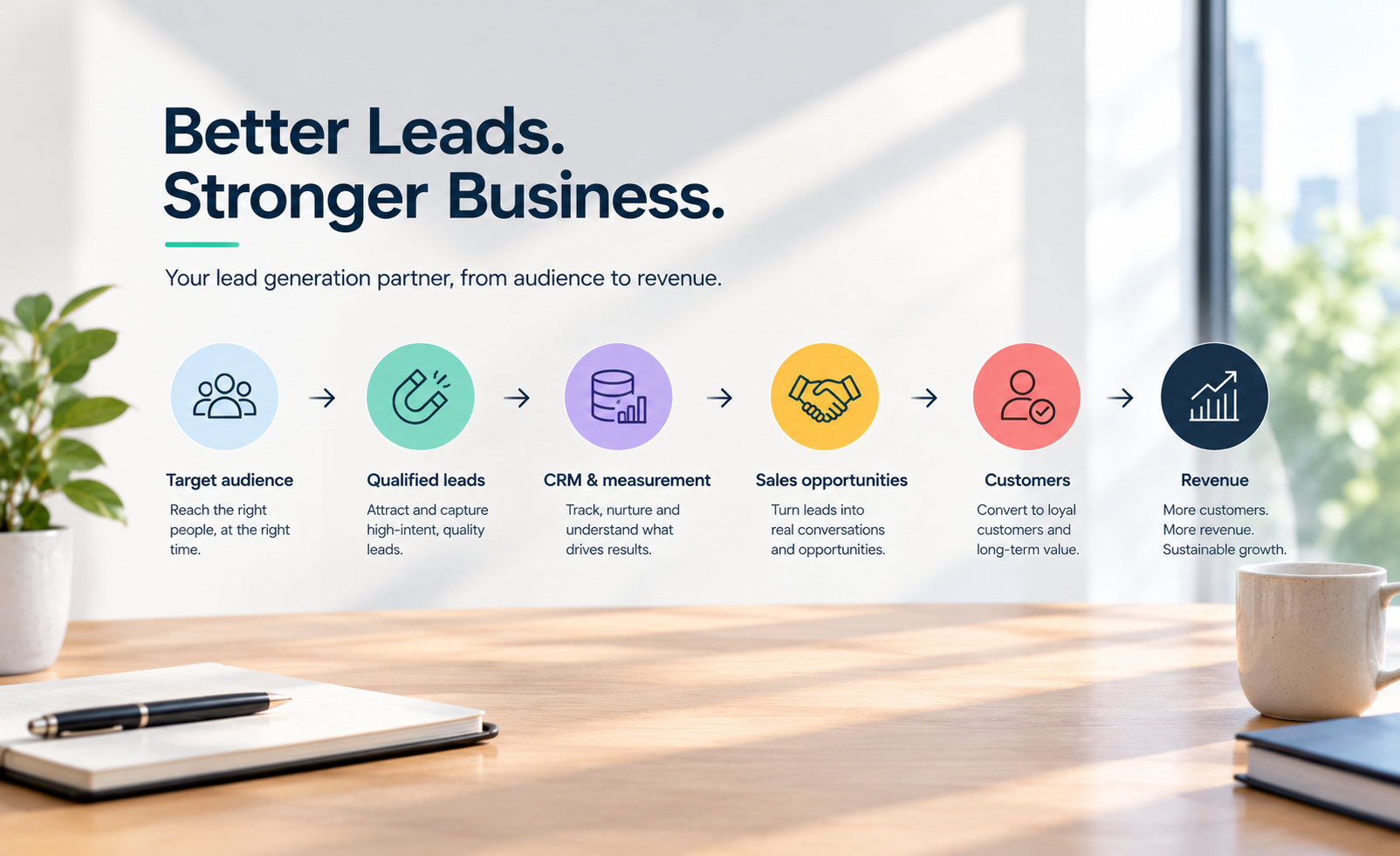
The better model is strategy-first. That means starting with the growth objective, building the measurement framework, mapping the funnel, then selecting channels based on commercial fit. Some brands need heavy search investment because demand already exists. Others need paid social, creative testing and stronger landing pages because the market is colder. Some need SEO and content to reduce dependency on paid traffic over time.
This is where full-funnel capability matters. Performance is rarely fixed by media buying alone. If ads are driving traffic to a weak site, the bottleneck sits in conversion. If conversion is healthy but search demand is capped, the bottleneck sits in market reach. If revenue is growing but profit is thinning, the issue may be offer structure or product mix. Strategy-first agencies diagnose before they deploy.
What to look for when choosing a performance marketing agency Australia wide
The first thing to test is commercial fluency. Can the agency talk about margin, payback periods, lead qualification, sales velocity and revenue mix, or does it stay trapped in marketing language? Businesses scaling seriously need a partner that understands how growth shows up in the P and L, not just in a platform report.
The second is execution range. You do not always need every service under one roof, but you do need an agency that can see the interactions between channels. Paid media, SEO, CRO, creative and analytics affect each other. Fragmented suppliers often create fragmented outcomes.
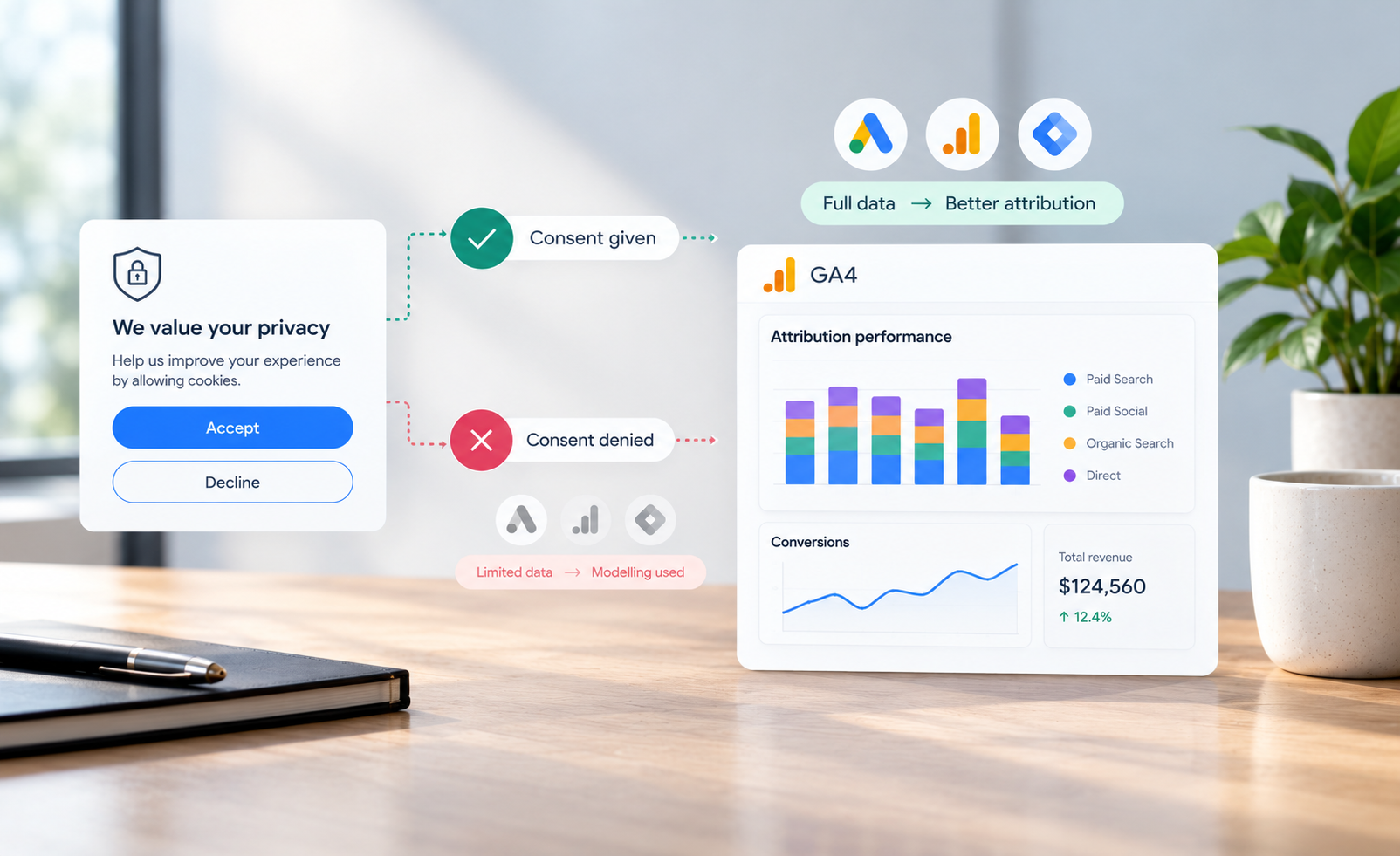
The third is data discipline. Tracking should be clear, attribution should be realistic, and reporting should help decisions. No serious agency should hide behind selective screenshots or soft metrics. You want evidence of testing, iteration and learning velocity.
The fourth is speed. Opportunities in performance marketing do not wait for a six-week internal process. Campaign deployment, creative refreshes, bid strategy changes and landing page experiments all need momentum. Fast does not mean reckless. It means operationally sharp.
Common agency mistakes that cost businesses real money
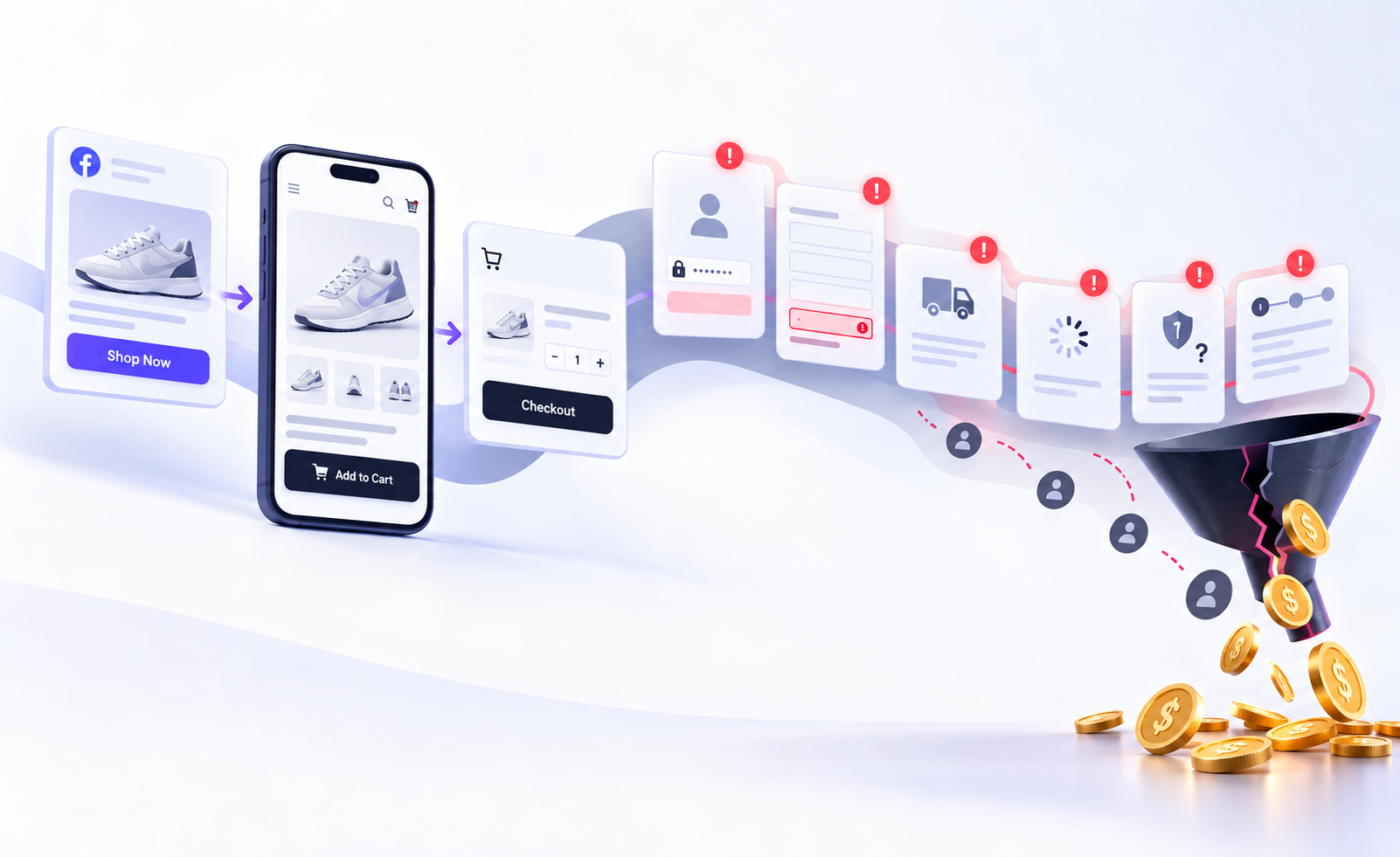
A lot of wasted spend comes from avoidable issues. Broad targeting without a clear audience strategy is one. Sending all traffic to the homepage is another. Running campaigns without proper conversion tracking is still more common than it should be.
Then there is the reporting theatre problem. Businesses receive pages of charts, but no real answer to the only question that matters: is this activity driving profitable growth? When agencies optimise to what is easiest to improve, not what matters most, performance stalls.
Another common issue is channel isolation. Paid search teams blame the website. SEO teams blame media spend. Creative teams blame targeting. In reality, performance is shared. If the agency cannot manage those interdependencies, the client ends up paying for disconnected thinking.
When On-boarding a performance marketing agency is the right move
Not every business needs one straight away. If you are still validating product-market fit, building a basic website, or operating on a very small budget, a lean in-house approach may be more sensible at first.
But once spend becomes meaningful, or growth targets become less forgiving, specialist support usually pays for itself. That is especially true when internal teams are stretched, channels are multiplying, or decision-makers need clearer attribution and sharper commercial control.
For many Australian brands, the tipping point comes when marketing activity becomes fragmented. Search is handled by one supplier, social by another, SEO sits in the backlog, and website changes move slowly. At that point, performance suffers less from lack of effort and more from lack of orchestration.
What good agency partnerships look like in practice
The strongest agency relationships feel less like outsourcing and more like a growth function with external firepower. There is strategic challenge, not just task completion. There is transparency around what is working, what is not, and what gets tested next.
That also means expectations are grounded. No capable agency should guarantee instant scale or permanent low acquisition costs. Media markets shift. Competitors react. Creative fatigues. Tracking changes. Strong performance comes from disciplined adaptation, not one-off wins.
This is where a commercially focused partner stands apart. Agencies such as Loud Days position performance as a measurable operating system, not a set of disconnected tactics. That approach tends to suit businesses that want accountability, speed and a direct line between marketing effort and business outcomes.
The real question to ask before you appoint an agency
Do not start by asking which platform they specialise in. Start by asking how they think about growth. Ask how they would diagnose a falling ROAS, a lead quality problem, or an account that has plateaued. Ask how they connect media, creative, site performance and analytics.
The answer will tell you whether you are dealing with campaign managers or growth operators.
A performance marketing agency Australia businesses choose well should do more than buy traffic. It should bring structure to your funnel, discipline to your spend, and clarity to your next growth decision. When that happens, marketing stops being a cost centre with nice graphs and starts acting like the commercial engine it should have been all along.
The right partner will not promise miracles. It will give you something more useful – a sharper strategy, cleaner execution and a stronger path to measurable success.