
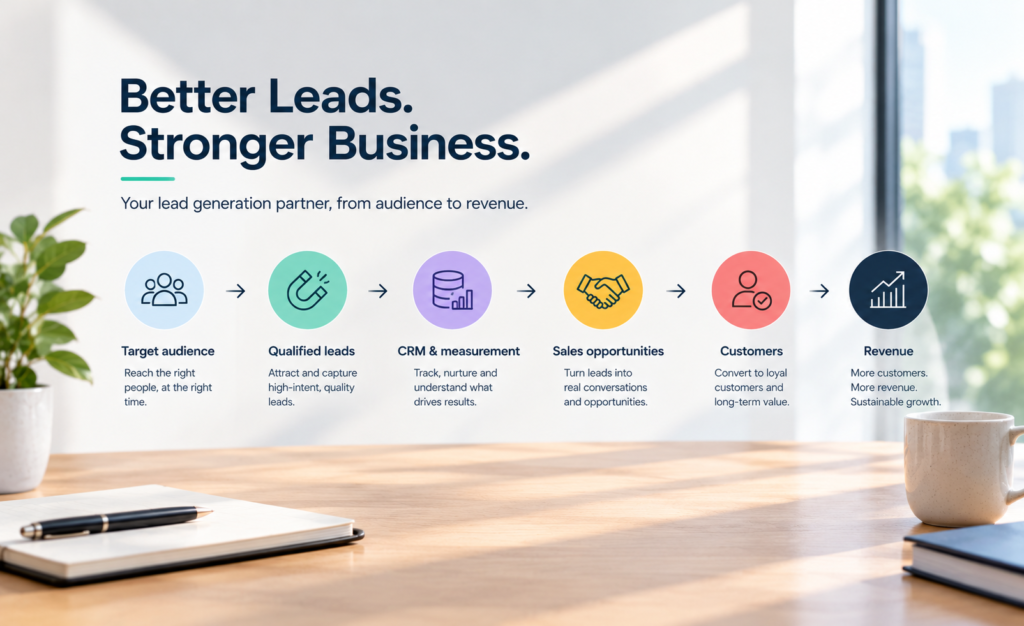
Don’t judge a lead generation agency partner by the size of its lead report. Judge it by whether sales can convert the opportunities it creates at an acceptable acquisition cost. That sounds obvious, yet many partnerships fail because activity metrics – form fills, booked calls and media impressions – are mistaken for commercial progress.
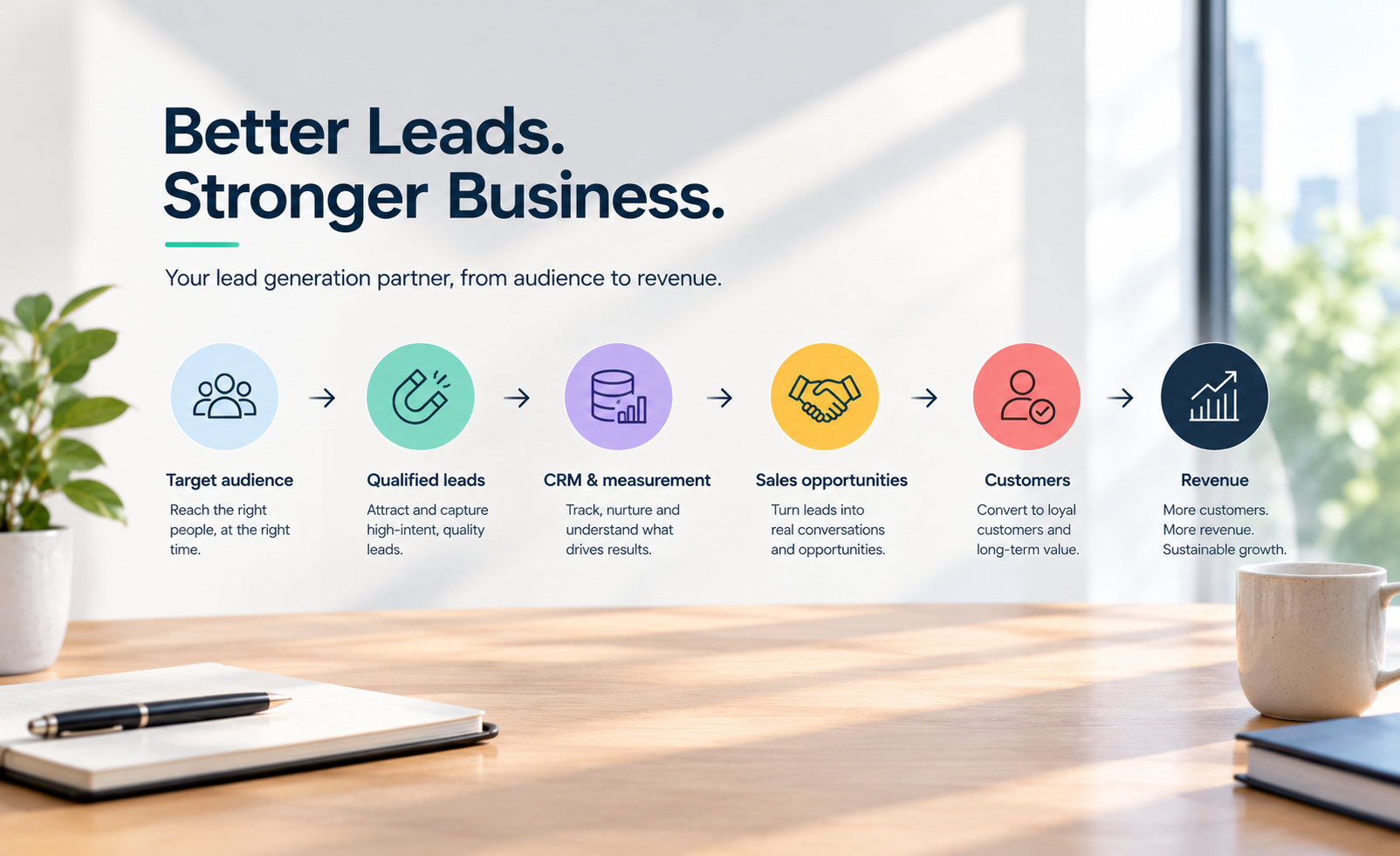
For Australian businesses with longer buying cycles, fragmented customer journeys, and rising paid-media costs, lead generation needs to run as a measurable revenue system. The agency’s role is not simply to supply campaigns. It is to improve the connection between audience demand, marketing qualification, sales follow-up and closed revenue.
Key takeaways
- The right partner starts with revenue economics, not channel recommendations.
- Lead quality requires a shared definition between marketing and sales before campaigns launch.
- First-party CRM data matters more than platform dashboards when assessing performance.
- A short, instrumented pilot is usually more useful than a broad annual scope built on assumptions.
Start with the commercial problem, not the channel
A credible agency should be able to explain what problem it is solving in commercial terms. “We need more leads” is rarely precise enough. The real issue may be too few sales-qualified opportunities, poor conversion from enquiry to meeting, low average deal value, limited demand in a priority segment or an acquisition cost that is eroding margin.
These problems need different responses. If conversion after enquiry is weak, increasing media spend can make the economics worse. If sales capacity is constrained, a campaign optimised for volume may overwhelm the team with leads that receive slow follow-up. If a business has a strong close rate but too little top-of-funnel demand, the priority may be building reach and creating more qualified conversations.
Ask prospective partners to work backwards from the revenue target. A useful planning model is:
Required leads = revenue target ÷ average revenue per new customer ÷ lead-to-customer conversion rate
For example, a business targeting $500,000 in new annual revenue with an average customer value of $25,000 needs 20 customers. At a 10 per cent lead-to-customer conversion rate, it needs 200 leads. That calculation is only a starting point, but it immediately exposes the questions that matter: which leads, at what cost, from which audience and with what sales capacity?
A Google Ads agency that jumps straight into campaign setup without first understanding the business, offer and target audience is choosing a channel before defining the strategy.
What a lead generation agency partner should own

The strongest partnerships have clear boundaries. Marketing should not be blamed for sales process failures, and sales should not dismiss leads without evidence. A capable agency helps create accountability across the full funnel, even when it does not control every stage.
At minimum, the agency should be able to contribute to audience research, offer strategy, landing-page conversion, paid media execution, tracking design and reporting. It should also help establish the feedback loop that tells the team which leads became qualified opportunities and customers.
That does not mean every business needs every channel. A B2B technology firm with six-figure contracts may be better served by tightly targeted search, account-based paid media and expert-led content than high-volume social acquisition. An eCommerce business collecting leads for a high-consideration product may need lifecycle automation and conversion rate optimisation before it needs more traffic.
The question is whether the proposed activity matches the buying journey. Strategy-first work is often less glamorous than launching new campaigns, but it is where wasted spend is prevented.
Demand capture versus demand creation
This distinction deserves attention. Search advertising captures existing intent. It is efficient when buyers already know their problem and are actively looking for a solution. However, search volume can be finite, especially in specialised B2B categories.
Demand creation reaches people before they begin searching. It can build future pipeline through useful content, distinctive creative, industry education and problem-led messaging. It usually takes longer to measure and requires more patience from leadership.
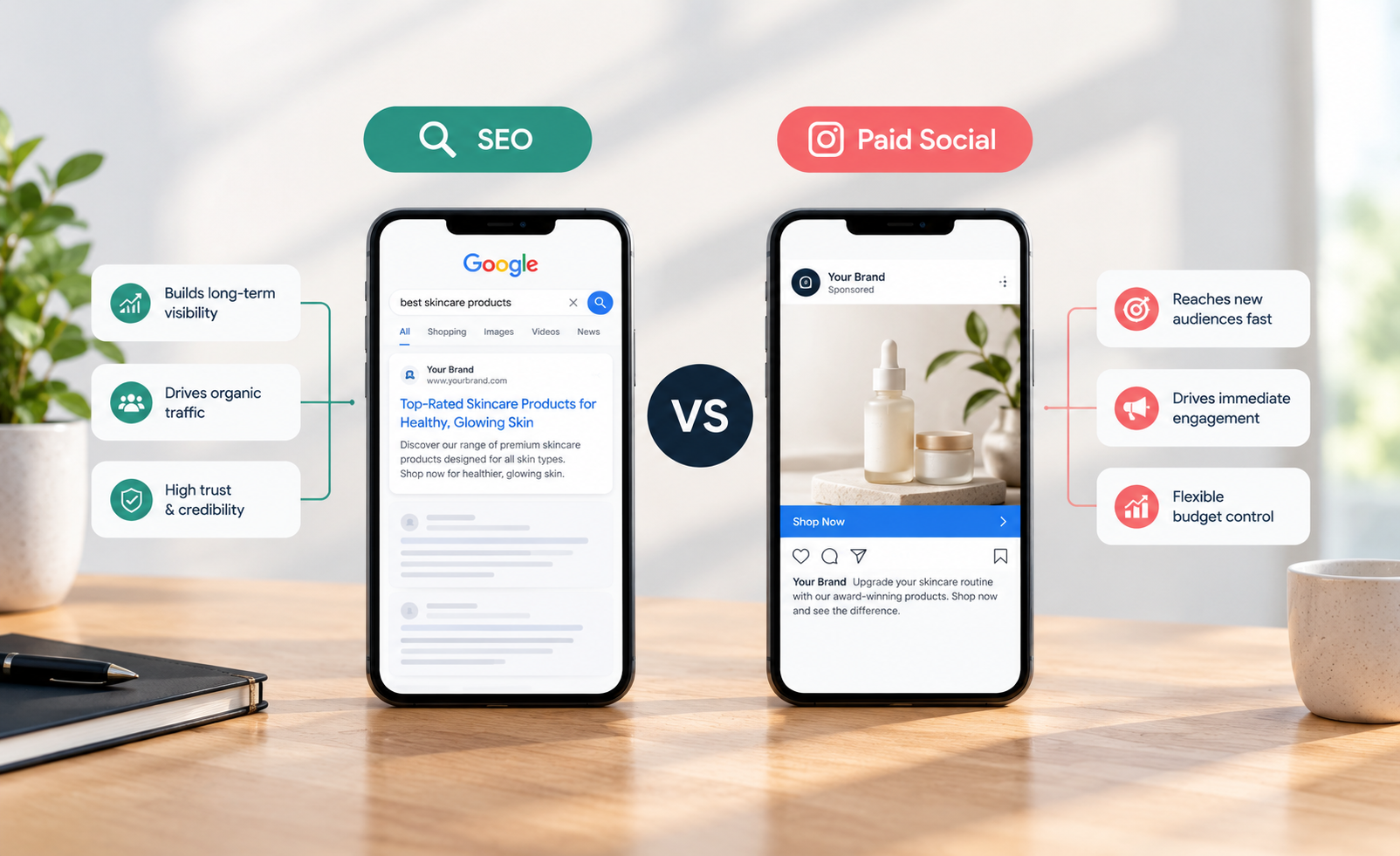
A sensible lead generation plan often uses both. Demand capture converts the active market now; demand creation expands the pool of future buyers. Be wary of any proposal that treats one channel as the universal answer.
Define lead quality before spending a dollar
The term “qualified lead” causes trouble because it means different things to different teams. Marketing may define qualification by job title, company size and stated need. Sales may define it by budget, authority, urgency and fit. Finance may care most about revenue and payback period.
Resolve these differences early. Create simple, shared definitions for an enquiry, marketing-qualified lead, sales-qualified lead, opportunity and customer. Then document the reasons sales can disqualify a lead, such as geographic mismatch, existing customer status, student research or a business that falls below the minimum contract value.
This is not admin for its own sake. It lets the agency optimise towards the stage that has commercial value. If campaigns are evaluated only on cost per lead, the algorithm and the team will naturally pursue cheap submissions. Cheap submissions can be useful, but they are not automatically profitable.
A practical scorecard should include lead volume and cost, then move deeper into the funnel: contact rate, meeting-booked rate, sales-qualified lead rate, opportunity rate, win rate, average deal value and customer acquisition cost. Not every metric will be available on day one. The point is to build towards revenue visibility rather than stopping at the ad platform.
Test measurement capability during the selection process
Most agencies can show platform screenshots. Fewer can explain how offline outcomes return to campaign decisions. That difference matters.
Ask how the agency will connect forms, calls, live chat and booked meetings to the CRM. Ask how duplicate leads will be handled, whether sales outcomes can be uploaded or integrated, and how attribution will account for longer buying journeys. There is no perfect attribution model, particularly where buyers research across multiple devices and channels. But there must be a method that is consistent enough to guide decisions.
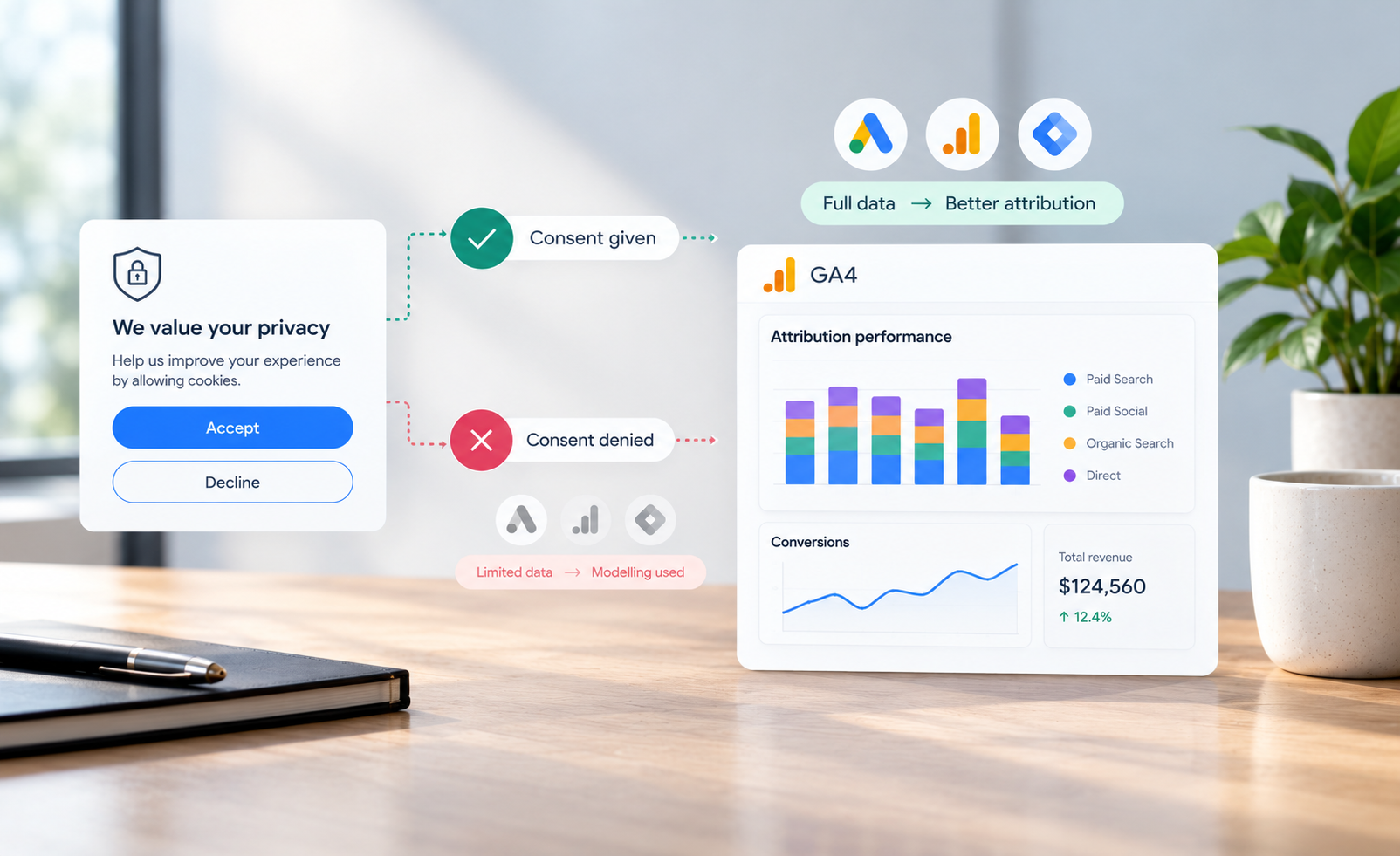
For Australian organisations, privacy governance belongs in this discussion too. The agency should understand consent, data access, retention practices and the handling of customer information within advertising and analytics platforms. The Office of the Australian Information Commissioner provides useful guidance on privacy obligations, but operational accountability cannot be outsourced through a vague contract clause.
A reliable reporting rhythm combines platform data with CRM outcomes and commercial context. It explains not just what changed, but why it changed and what decision follows. A report that celebrates lower cost per lead while qualified opportunity rates fall is not a performance report. It is a warning signal.
Assess the working model, not just the pitch
The people presenting a proposal are not always the people operating the account. Ask who will own strategy, who will execute day-to-day, how senior oversight works and how often the team will review pipeline quality with sales.
Look for a partner that is willing to challenge flawed assumptions. If the business has a weak offer, a slow landing page, no CRM hygiene or inconsistent sales follow-up, those constraints should be raised directly. Good agencies do not use these issues as excuses. They identify them, prioritise them and show how they affect expected results.
The best working model is usually a focused pilot with agreed learning goals. Rather than promising a fixed number of leads before you’ve tested the market, define what you’ll validate: audience response, message-market fit, cost range, landing-page conversion, qualification rate and sales acceptance. This protects both sides from false certainty.
It also makes governance easier. Hold a regular commercial review, not merely a campaign check-in. Review lead quality, pipeline movement, creative learnings, budget allocation and the next constraint to remove. When marketing, sales and agency teams work from the same evidence, optimisation becomes faster and less political.
Questions that reveal partner quality
A useful selection conversation should move beyond case studies. Ask a prospective partner how it would respond if lead volume rose but sales-qualified leads fell. Ask what information it needs from your CRM before recommending a budget. Ask which assumptions in its forecast are most likely to be wrong.
Also ask what it would stop doing. Strong operators understand opportunity cost. They can explain why a channel, audience or offer should be deprioritised when the evidence does not support it. This is especially valuable when budgets are limited, and every experiment needs to earn its place.
References should be relevant to your model, not merely impressive logos. A successful local lead-generation programme for a fast-moving consumer offer may not translate to a complex enterprise sale. Look for comparable deal cycles, audience sophistication, sales processes and measurement maturity.
The right partnership creates more than a predictable flow of enquiries. It gives leadership a clearer view of where growth is constrained, what customers respond to and which investments are built to move revenue. Start with the numbers sales already trusts, make the assumptions visible, and choose the team prepared to be accountable to the outcomes that follow.